Sariya Cement New Rate: Today’s Prices, Trends, and Smart Buying Guide

Sariya Cement New Rate: A home or renovation project lives and dies by two inputs: steel (sariyaTMT) and cement. Prices move with demand, fuel, freight, and global commodities and a small timing mistake can inflate your project budget. This report breaks down the latest “Sariya Cement New Rate,” why it’s moving, practical benchmarks to negotiate locally, and a safe purchasing checklist for contractors and homeowners.
What “Sariya Cement New Rate”means
In the building trade, “new rate” refers to the most recent market quotes from local dealers or yards for:
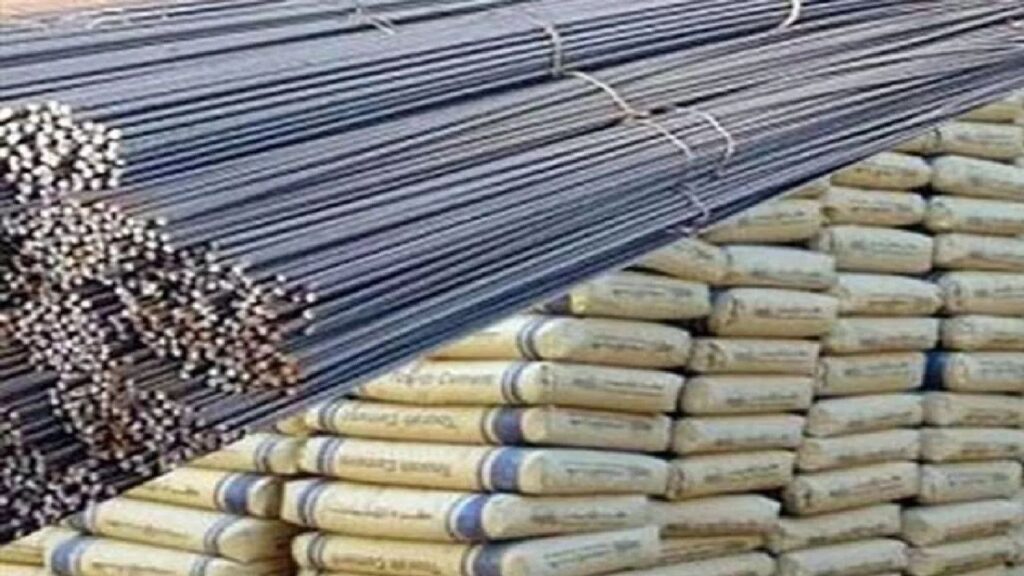
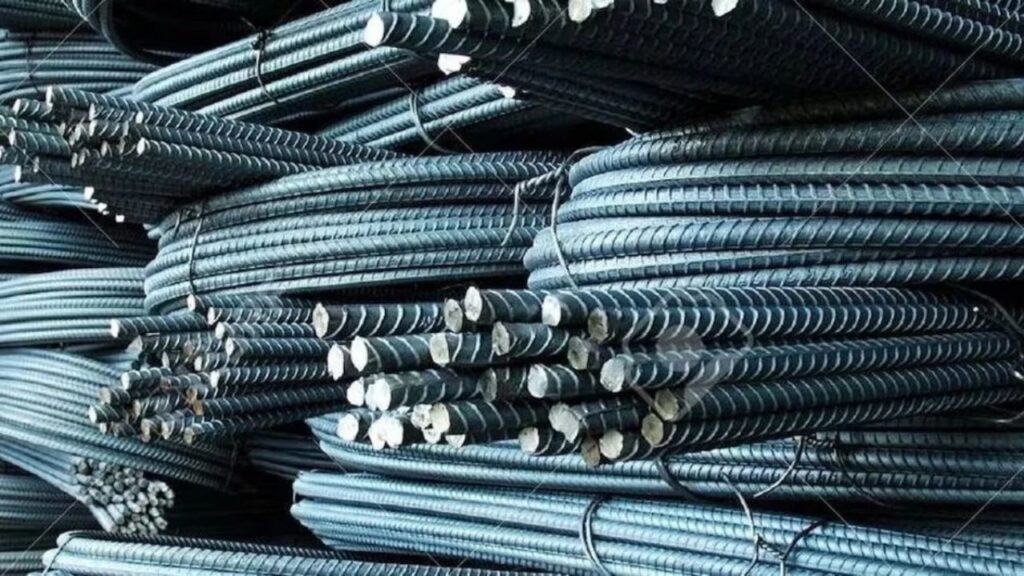
- Sariya/TMT bars: graded by strength (e.g., Fe500/Fe550/Fe550D), sold by kg/ton.
- Cement: bag price (50 kg), by brand and type (OPC 43/53, PPC, PSC).
These quotes change with shipments, stock, and freight. Treat online prices as a benchmark; your final invoice depends on location, quantity, and payment terms.
Read Also

Today’s reference ranges and quick benchmarks
Note: Replace this section with your latest verified local data before publishing.
- TMT (sariya) benchmark checks
- Fe500D 12mm equivalent: [₹X–₹Y/kg] retail; bulk (>10 tons) often [X−1 to X−2/kg].
- Smaller diameters (8/10mm) sometimes carry a slight premium; 16–25mm can vary by stock.
- Cement bag (50 kg) benchmark checks
- Tier‑1 brands (OPC/PPC): [X–Y/bag] retail; bulk/project rates can be [X−10 to X−20/bag].
- PSC or regional brands may undercut by [5–15/bag] depending on haul distance and demand.
Pro tip: Publish a small table with 3–5 popular brands/sizes in your city and update weekly for SEO freshness.
What’s driving price changes now
- Fuel and freight: Diesel costs change dealer landed price; long‑haul rail/road corridors affect tier‑2/3 city quotes more than metros.
- Input commodities: Iron ore/scrap and coking/thermal dynamics influence TMT; clinker, gypsum, and fly ash affect cement.
- Seasonality: Pre‑monsoon stock‑ups raise rates; deep monsoon can soften demand; festival cycles spike retail movement.
- Plant utilization/shutdowns: Maintenance at integrated plants or power constraints can tighten supply locally.
- Government projects: Tender surges (roads, housing) pull bulk supply, nudging retail upwards temporarily.
How to compare brands and grades
- TMT/sariya
- Grade and ductility: Fe500D/Fe550D offers better elongation—ask for test certificates (UTS, YS, %Elongation).
- Rib pattern and bendability: Prefer BIS‑certified mills; check bend tests for your structural detail needs.
- Diameter consistency: Random vernier checks on 10–16mm rebars reduce wastage and structural risk.
- Cement
- Type by use: OPC 53 for high early strength; PPC for durability and lower heat; PSC for coastal/industrial exposure.
- Freshness: Check week/year on bag; older than 90 days requires on‑site setting/strength vigilance.
- Consistency: Stick to one brand/type per structural pour to avoid variability in strength gain.
City/region considerations and freight math
- Freight band: Every 100–150 km of haul can add [₹X–₹Y/bag] for cement and [₹X–₹Y/kg] for TMT. Near‑plant districts usually see the best quotes.
- Octroi/entry and handling: In some areas, local levies or handling markups apply; confirm all‑inclusive delivered rate to site.
- Storage conditions: High‑humidity regions need better warehousing; hidden damage to cement (caking) or rebar corrosion becomes a cost later.
Buying checklist and payment safety
- Dealer verification
- GST‑registered invoice with brand, grade, batch/heat number, and BIS certification references.
- For TMT: Mill test certificate (MTC) matching heat numbers on delivered bundles.
- For cement: Manufacturing week/year stamped on each bag; avoid defaced/remarked bags.
- Delivery and measurement
- Weighbridge slips for TMT; reconcile kg/ton against invoice.
- Random diameter check on 8/10/12 mm rods; calibrate your vernier.
- For cement: Stack count and random bag weight spot check.
- Payments
- Prefer bank transfer/UPI to registered entity; avoid cash without proper invoice.
- Milestone deliveries for large orders; do not prepay 100% for unstocked items.

Cost‑saving strategies without quality compromise
- Bundle quantities: Negotiate breakpoints (e.g., 3, 5, 10 tons TMT; 200–500 bags cement) for slabbed discounts.
- Off‑peak scheduling: Order large volumes mid‑monsoon or non‑festival windows where feasible.
- Mix optimization: Engineer‑approved switch from OPC to PPC/PSC in compatible elements can save without strength loss over design life.
- Wastage control: Accurate cutting schedules for TMT and moisture‑free cement storage cut real costs beyond sticker price.
- Route planning: Club deliveries for multiple sites/blocks to reduce per‑ton freight.
FAQs (featured‑snippet ready)
Q1. What is the “Sariya Cement New Rate” today?
It refers to the latest local dealer quotes for TMT bars (per kg/ton) and 50‑kg cement bags. Use online rates as benchmarks and confirm your final delivered‑to‑site price including freight, taxes, and unloading for accurate budgeting.
Q2. Which cement type should I choose for a house foundation?
For footings and columns, OPC 53 offers high early strength; PPC is suitable for most residential structures due to durability and workability. Always follow your structural engineer’s mix design and stick to one type per pour to keep strength consistent.
Q3. How can I verify TMT steel quality at delivery?
Match heat numbers on bundles to the mill test certificate, check diameter with a vernier, and review %elongation/Yield strength on certificates. BIS‑marked, Fe500D/Fe550D from reputed mills with consistent ribs are preferred for ductility.
Q4. Why do cement prices vary between nearby cities?
Freight, dealer margins, storage costs, and local demand spikes cause differences. Proximity to integrated plants or grinding units lowers delivered cost, while long‑haul routes and festival demand raise it.
Q5. Can I mix different cement brands in the same slab?
Avoid mixing brands/types within a single structural pour. Different setting times and fineness can create variability in early strength and finishing. If a switch is necessary, do it between pours with updated mix design approval.

Conclusion
Prices for sariya and cement shift quickly but smart buyers lock quality first, then negotiate delivered‑to‑site totals, verify documents, and plan deliveries to cut waste. Before you place an order, capture two local quotes, confirm freight inclusions, and align with your engineer’s grade and mix design.